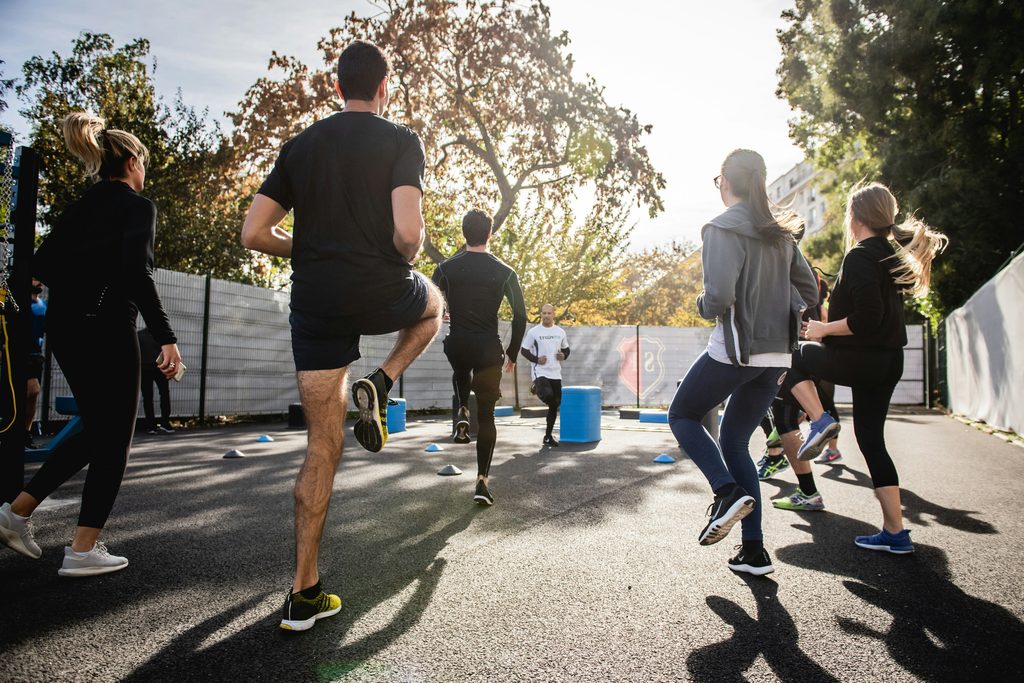
Starting a fitness journey can feel overwhelming. There are countless workout plans, diets, supplements, and fitness trends promising quick results. But getting fit does not have to be complicated. For most beginners, the best approach is to start with simple habits and build consistency over time.
Whether your goal is to lose weight, gain strength, improve stamina, or simply feel healthier, following a few practical fitness tips for beginners can make the process much easier.
1. Start With Realistic Fitness Goals
One of the most important fitness tips for beginners is to set realistic goals. It is tempting to aim for dramatic changes within a few weeks, but sustainable fitness takes time.
Instead of saying, “I want to completely transform my body,” try setting smaller goals such as exercising three times a week, walking 8,000 steps a day, or improving your strength gradually.
Small achievements keep you motivated and make it easier to stay consistent. Your fitness goals should challenge you without making exercise feel like a punishment.
2. Choose a Workout You Actually Enjoy
The best workout is often the one you are willing to do consistently. You do not need an expensive gym membership or complicated equipment to start exercising.
Beginners can choose from activities such as:
- Walking or jogging
- Cycling
- Swimming
- Bodyweight exercises
- Strength training
- Yoga
- Home workouts
If you enjoy what you are doing, staying consistent becomes much easier. A simple 30-minute workout performed regularly can be more beneficial than an intense workout that you only do once every few weeks.
3. Focus on Strength and Cardiovascular Fitness
A balanced fitness routine should include both strength training and cardiovascular exercise.
Strength training helps build and maintain muscle, improve functional strength, and support everyday movement. Beginners can start with basic exercises such as squats, lunges, push-ups, rows, and planks.
Cardiovascular activities such as brisk walking, cycling, running, or swimming can help improve endurance and heart health.
You don’t need to train intensely every day. Start with manageable sessions and gradually increase the duration or intensity as your fitness improves.
4. Don’t Ignore Nutrition
Exercise is only one part of a healthy lifestyle. Nutrition plays an important role in energy, recovery, body composition, and overall health.
Instead of following an extremely restrictive diet, focus on eating a variety of nutritious foods. Include protein sources, vegetables, fruits, whole grains, healthy fats, and plenty of fluids.
If your goal is weight loss, remember that consistency matters more than following a perfect diet. Making small improvements to your eating habits can be easier to maintain than making drastic changes overnight.
5. Give Your Body Time to Recover
One commonly overlooked fitness tip for beginners is to take recovery seriously. Your body needs time to repair and adapt after exercise.
Getting enough sleep, staying hydrated, eating nutritious meals, and taking rest days can all support recovery.
More exercise is not always better. Training hard every day without adequate recovery can leave you feeling exhausted and may make it harder to maintain your routine.
Listen to your body and gradually increase your workload rather than trying to do everything at once.
6. Track Your Progress
Progress is not always visible in the mirror. You may become stronger, improve your stamina, sleep better, or feel more energetic before you notice major physical changes.
Consider tracking simple measurements such as workout frequency, walking distance, repetitions, weights lifted, or how you feel after exercise.
Taking occasional progress photos or recording measurements can also help you see changes over a longer period.
Remember that everyone’s fitness journey is different. Comparing your progress with someone else’s can unnecessarily reduce motivation.
7. Make Fitness Part of Your Lifestyle
The biggest secret to getting fit is consistency. You don’t need to have a perfect workout every day. What matters is creating habits that you can maintain for months and years.
Try scheduling workouts at a time that works for your daily routine. Take the stairs when possible, walk more during the day, stay active on weekends, and avoid treating exercise as something you only do when you want to lose weight.
These small lifestyle changes can add up over time.
Final Thoughts
Getting started with fitness doesn’t require complicated programs or extreme diets. The most effective fitness tips for beginners are often the simplest: set realistic goals, choose activities you enjoy, eat nutritious food, prioritize recovery, and stay consistent.
Your fitness journey should be something you can maintain rather than a short-term challenge. Focus on improving gradually, celebrate small wins, and give yourself time to develop healthier habits.
With patience and consistency, fitness can become a natural part of your everyday life.