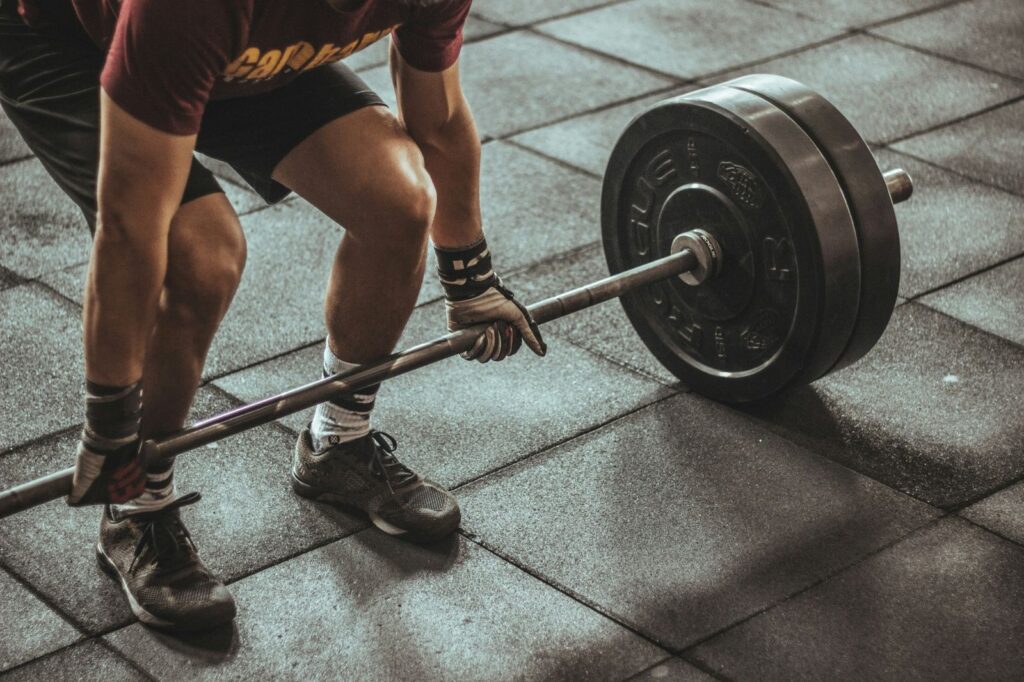

College is an important time for building habits that can influence your health and lifestyle for years to come. Between lectures, assignments, exams, internships and social activities, exercise can easily become a low priority. However, weight lifting for students can be a practical way to improve strength, fitness, confidence and overall well-being. For many students, weight lifting for students can also be an enjoyable way to stay active while managing a busy college schedule.
Weight training isn’t only for bodybuilders or professional athletes. Lifting weights for college students can help improve physical fitness, support muscle development and build healthier exercise habits. You don’t need to spend hours in the gym or lift extremely heavy weights to see benefits.
For beginners, a simple and consistent strength-training routine can be enough to get started.
In this article, we’ll explore 5 benefits of strength training and explain why students should consider adding weight training to their weekly routine.
What Is Weight Training?
Weight training is a form of exercise where you use resistance to make your muscles work. The resistance can come from dumbbells, barbells, resistance machines, resistance bands or even your own body weight.
Weight training for students can be adapted to almost any fitness level. A beginner might start with light dumbbells and basic movements, while someone with more experience can gradually increase the weight and difficulty.
The goal isn’t simply to lift the heaviest weight possible. Good technique, gradual progression and consistency are much more important.
5 Benefits of Weight Lifting for Students
1. Builds Strength and Muscle
One of the most obvious benefits of weight lifting for students is improved muscular strength.
Regular resistance training challenges your muscles and, when combined with appropriate nutrition and recovery, can help them become stronger over time.
For students who spend a lot of time sitting in classrooms or studying, developing stronger muscles can also support general physical fitness.
Muscle building for students doesn’t require spending two hours in the gym every day. A well-designed routine performed several times per week can provide an effective foundation.
Beginners should focus on learning movements correctly before worrying about lifting heavy weights.
Some useful exercises include:
- Squats
- Push-ups
- Rows
- Lunges
- Shoulder presses
- Deadlifts
- Pull-downs
The appropriate exercises and weights depend on your fitness level and experience.
2. Improves Overall Physical Fitness
Strength training for students isn’t only about building visible muscles. It can also improve your overall physical capabilities.
A stronger body can make everyday activities easier, from carrying a backpack to climbing stairs or participating in sports.
Resistance training can also complement other forms of exercise. For example, students who enjoy basketball, running, football or other sports can use strength training as part of a broader fitness routine.
This is one reason weight training for college students can be valuable even if your primary goal isn’t gaining muscle.
A balanced fitness routine can include:
Strength training + cardiovascular exercise + mobility + recovery
You don’t have to choose between lifting weights and participating in sports or running. They can complement each other.
3. Supports Mental Health and Confidence
College life can be stressful. Exams, academic pressure, career uncertainty and social situations can affect your mood and well-being.
This is where weight lifting and mental health can become relevant.
Exercise can provide a break from studying and give you time away from screens and academic responsibilities. Completing a workout can also provide a sense of achievement.
Progress in the gym can improve confidence as you become stronger and more comfortable with exercise.
For example, you might start by struggling with a particular exercise and gradually become capable of performing it with better technique or more resistance.
These small improvements can create a feeling of progress that extends beyond the gym.
However, exercise should complement—not replace—professional support when someone is dealing with significant mental health difficulties.
4. Helps Build Discipline and Healthy Habits
One of the less obvious weight lifting benefits is the discipline that comes from maintaining a regular training routine.
Progress doesn’t usually happen overnight. You need to show up repeatedly, learn proper technique, recover and gradually challenge yourself.
This can teach students valuable habits such as:
- Consistency
- Patience
- Goal setting
- Time management
- Self-discipline
- Tracking progress
These habits can also be useful outside fitness.
For example, setting aside 45 minutes for a workout can teach you how to organize your day around classes, studying and other responsibilities.
This is an important part of student fitness because being healthy isn’t just about one workout. It’s about developing habits that you can maintain over time.
5. Supports Long-Term Health and Fitness
Starting strength training for college students doesn’t only benefit you during your university years. Developing a habit of resistance training can help establish a foundation for an active lifestyle later in life.
Maintaining muscle and strength becomes increasingly important as people age. Developing good exercise habits while young can make staying active later easier.
Weight training can also complement cardiovascular activities such as running, cycling and swimming.
For students, the goal doesn’t need to be becoming extremely muscular. Instead, focus on becoming stronger, fitter and more capable.
How to Start Weight Lifting as a Student
If you’re wondering how to start lifting weights, keep it simple.
You don’t need an advanced program when you’re just beginning.
Start with approximately two or three strength-training sessions per week. Focus on major movement patterns rather than trying every machine in the gym.
A beginner session might include:
Squat movement: Squats or leg press
Push movement: Push-ups or chest press
Pull movement: Seated row or lat pulldown
Hip movement: Romanian deadlift
Shoulders: Shoulder press
Core: Plank
Perform the exercises with manageable resistance and focus on learning proper technique.
If you are completely new to resistance training, consider working with a qualified fitness professional who can teach you appropriate technique.
Beginner Weight Lifting Routine for Students
A simple beginner weight lifting routine could use a full-body approach three times per week.
Monday
- Squats
- Bench press or push-ups
- Lat pulldown
- Romanian deadlift
- Plank
Wednesday
Repeat the same basic movements while focusing on technique and controlled repetitions.
Friday
Repeat the routine and gradually increase the resistance when you can perform the exercises comfortably with good form.
You don’t have to copy this exact routine. Your program should be adapted to your experience, goals and available equipment.
Gym for College Students: Do You Need One?
A gym for college students can make weight training convenient because it provides access to dumbbells, barbells and resistance machines.
However, you don’t necessarily need a gym.
Bodyweight exercises such as push-ups, squats, lunges and planks can provide a useful starting point. Resistance bands and a pair of adjustable dumbbells can also be useful for home workouts.
The important thing is having access to some form of resistance and following a consistent training routine.
Common Mistakes Beginners Should Avoid
When lifting weights for beginners, avoid trying to copy advanced lifters immediately.
Some common mistakes include:
- Lifting more weight than you can control
- Ignoring exercise technique
- Training the same muscles every day
- Skipping warm-ups
- Not allowing enough recovery
- Changing programs constantly
- Expecting dramatic results within a few weeks
Progress should be gradual.
Your first goal should be learning the movements and building consistency. Once you have developed good technique, you can gradually increase resistance or repetitions.
Final Thoughts
Weight lifting for students is about much more than building bigger muscles.
The benefits of lifting weights can include improved strength, better physical fitness, increased confidence, greater discipline and a stronger foundation for long-term health.
You don’t need to become a bodybuilder or spend hours in the gym. Two or three well-planned workouts per week can be a practical starting point for many students.
Whether you choose a gym, home workouts or sports-based strength training for beginners, focus on proper technique, gradual progression and consistency.
College is a great time to develop healthy habits. Start with manageable workouts, learn the basics and make strength training a regular part of your lifestyle.